
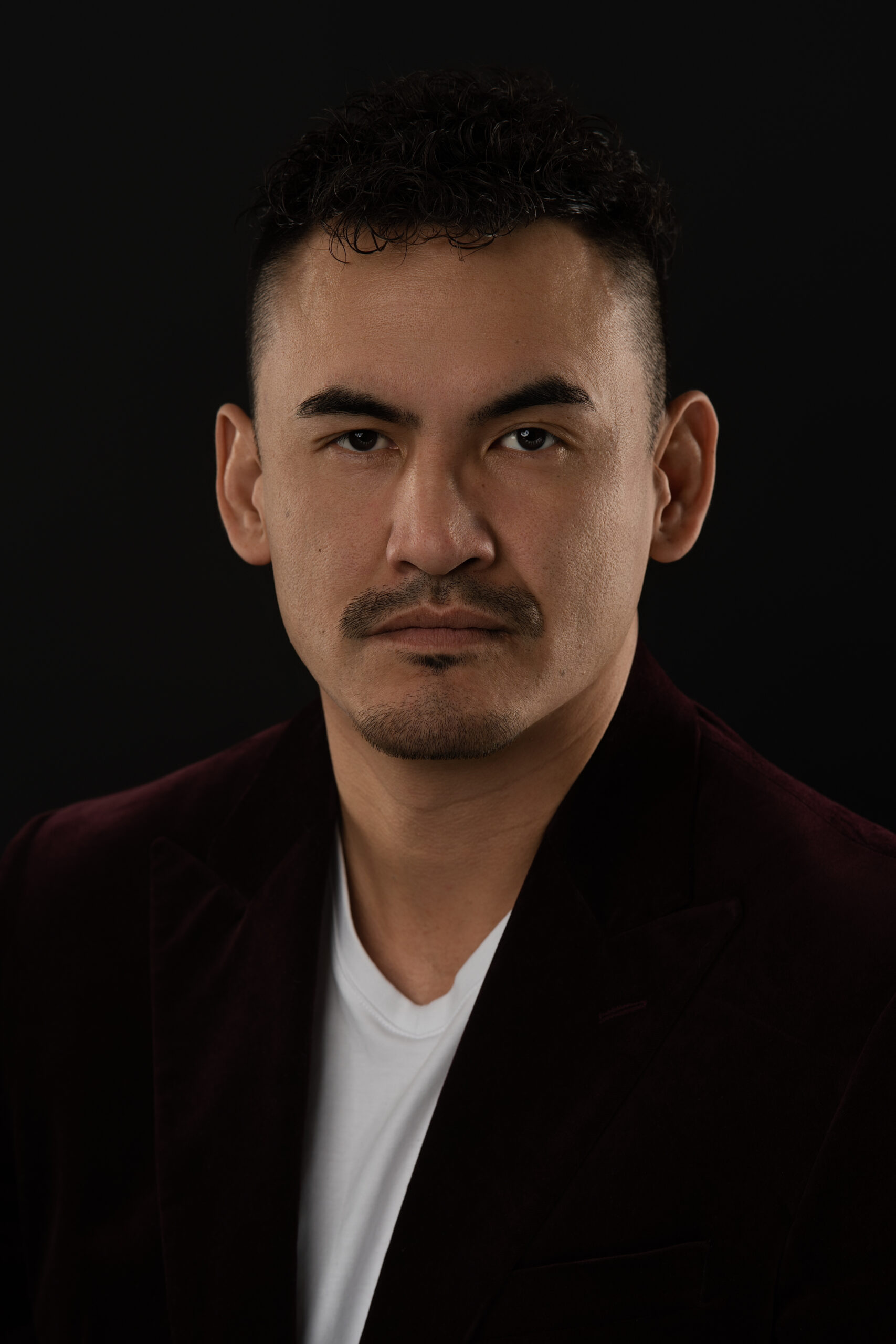
Vancouver runs on film and television. In any given week the city is standing in for Seattle, Portland, or somewhere off-world entirely, and casting offices here are working submissions for pilots, streaming series, features and national commercials at once. Your headshot is the first frame of that process, and usually the only thing a casting director sees before deciding whether to open your reel.
A good actor headshot is not a flattering photo. It is an accurate, castable photo — one that shows what you look like when you actually walk into the room, and what kind of role you can carry once you are there. Those are two different jobs from a corporate headshot, and shooting them the same way is the most common mistake we see in the chair.
Below is a practical guide to headshots for actors working the Vancouver market: what casting is really scanning for, how many looks you need, the conventions agents expect, and when to reshoot.
What casting directors are actually looking at
Casting sees your photo small, in a grid, next to sixty other people who fit the same breakdown. That grid is the real test.
- The eyes. An actor headshot lives or dies on whether something is happening behind the eyes. A pleasant, empty expression reads as a stock photo. There should be a thought in there — not a performance, a thought.
- Accuracy. Showing up meaningfully different from the photo wastes an audition slot, and casting remembers. Current hair, current weight, current facial hair, current glasses.
- Legible type. Casting is filling a specific slot. If they cannot place you in two seconds — young lawyer, tired detective, warm best friend, tech founder who is lying — the image is doing the work of a mood board instead of a submission.
- One clear idea. A photo trying to be dramatic and friendly at once lands as neither.
Commercial and theatrical are two different photos
Most working actors carry at least one of each, because they are submitted through different doors.
A commercial shot sells relatability. It is brighter, warmer, usually a genuine open smile with teeth, wardrobe in a friendly colour — a soft blue, a warm green, a clean casual shirt. The person in it looks like they would be pleasant to stand next to in a kitchen while someone talks about yogurt. It is the image that gets you seen for national spots, and Vancouver shoots a lot of those.
A theatrical shot sells a person with a problem. Lower key, more contrast, wardrobe darker and more textured, expression contained rather than open. The mouth is often closed. Nothing about it should be grim for its own sake — a theatrical look is not a scowl, it is stillness with weight underneath.
You can lean further inside theatrical. Crisp and cool-toned with a structured jacket points at procedurals and corporate villains; softer and more lived-in points at family drama and indie features. If your agent has told you which lane they are pushing, shoot that lane.
How many looks you actually need
Two to four. That is the honest answer for most actors.
Two strong looks outperform six mediocre ones every time, because your submission is only ever as good as the weakest photo an agent might choose. A typical session here runs three looks: one commercial, one theatrical, and one that splits the difference or leans toward a specific type you book well — scrubs, a uniform-adjacent jacket, a hoodie.
Each look needs a real wardrobe change and a real change in light or expression. A different shirt in the same light with the same face is one look photographed twice, and casting can tell.
Newer actors often ask for six looks to feel prepared. It backfires — the session rushes, and the whole set comes out thin.
Framing, crop and the conventions that still matter
Actor headshot crop has been stable for years, and there is no advantage in being unusual.
- Vertical orientation. Almost always. Casting platforms are built for it.
- Chest up. Roughly mid-chest or upper chest to just above the head. Tight enough that the face carries the frame, loose enough that shoulders and posture read.
- Eyes in the upper third. Minimal headroom. A large gap of empty space above the head is the fastest way to look like a passport photo.
- Off-centre placement. Sitting the face slightly off the vertical centre line leaves clean space for a name overlay and reads less like an ID card.
- Separated background. Shallow depth of field, or a clean studio backdrop. The background should never compete.
Digital files
Casting platforms want the standard 8×10 ratio — 4:5 vertical. Ask for files delivered in that ratio rather than cropping a 2:3 camera frame yourself and lopping off your chin. sRGB JPEG, comfortably under the platform’s upload limit. Canadian actors mostly submit through Casting Workbook and their agent’s roster page, so check both before uploading.
Prints
Physical 8x10s matter less than they did, since so much of Vancouver’s first round is self-tape. Some agents still want prints with your name on the front and your resume on the back. Ask before ordering a hundred of anything.
What Vancouver agents expect
Ask your agent first — genuinely, before you book. Agencies have preferences about background colour, tone, whether they want a smiling option, and how files are named and sized. It costs nothing to find out in advance.
Two things are near-universal here. First, restraint in retouching: take out the temporary blemish, the stray hair, the shine on the forehead, and leave the lines, freckles and texture. A face smoothed into plastic tells casting nothing. Second, honesty about age range — styling that shaves a decade off you only buys an awkward moment in the room. Union status changes your submissions, not your photos.
How the session itself should run
You should see the images while you are still in front of the camera. We shoot tethered, so every frame lands on a large screen within a second of being taken. That matters more for actors than for anyone else we photograph: you can see that the thought you believed you were playing is not reading, adjust, and go again. You leave having picked your own favourite frames instead of waiting on a gallery link.
Wardrobe and background guidance goes out beforehand, so nothing gets decided in a panic that morning. Retouched files come back within 48 hours with full commercial usage rights — usable on Casting Workbook, your agency page and your own site without a licence question. Sessions start from $350 CAD; see current headshot session pricing and the actor headshot service page for details specific to performers.
When to reshoot
The usual cycle is every 18 to 24 months. Reshoot sooner if any of these are true:
- Your hair changed in a way that changes your face — a real cut, a colour, growing or losing a beard.
- Your weight or fitness has visibly shifted.
- Your type has moved. Actors in their late twenties often stop reading as students and start reading as young professionals, and the photos are the last thing to catch up.
- You are getting auditions, but the room reacts to you as a surprise.
Frequently asked questions
How much do actor headshots cost in Vancouver?
Rates across the city vary widely. Ours start from $350 CAD, with multi-look options for actors who need commercial and theatrical in one sitting. Retouching and usage rights are included rather than billed on top, which is worth checking against a low base rate quoted elsewhere.
Should I smile in my actor headshot?
In the commercial look, usually yes, and it should be a real one. In the theatrical look, usually not — but the face still needs to be alive. Bring both. Your agent will decide which one leads.
What should I wear?
Solid colours, fitted, no logos, no busy patterns. Bring more than you think you need, including one darker layer and one lighter one. We send guidance ahead of time and go through what you brought at the start.
Do I need a studio background or an outdoor look?
Both work. A clean studio background keeps the attention on the face and matches well across a submission set; an outdoor look gives softer, more cinematic separation. Many actors carry one of each.
Can I use my actor headshot on LinkedIn?
You can, but it is not the same product. A theatrical headshot is built to communicate character, and it can read as moody in a business context. If you also need a professional profile photo, it is worth shooting a proper LinkedIn headshot in the same session.
If your photos are more than two years old, or they no longer match the face you bring into the room, that is the whole signal. Have a look through the headshot and portrait portfolio for the range of looks we shoot, then book a session at our downtown Vancouver studio. Bring your wardrobe and a clear idea of the roles you want.
